



Immersion and modern technologies: how to create unforgettable experiences at trade shows in 2026
The year 2026 promises to be a time of true transformation for the exhibition industry – not only in terms of technology but also in the approach to booth design. Where static booths with simple graphics and classic roll-ups once dominated, there is now an increasing presence of solutions that immerse visitors in interactive experiences that truly stick in their memory. The question is, how can you stand out among the other lights?
Everything revolves around three key themes: lighting, modularity, and space, which together create a more immersive, engaging experience. Thanks to new technologies – such as dynamic lighting, touchscreens, and flexible systems – trade show booths are becoming spaces that capture visitors’ attention and allow for deeper interaction with the brand. It’s no longer just about aesthetics, but about how visitors feel in a given space, how they interact with exhibitors, and how they remember the brand after the event.
How the role of light changes – from signal to narrative
In trade show booth design, lighting has gradually moved beyond its utilitarian function in recent years, and has actually always aimed to attract attention. Illuminated lightboxes or LED elements initially appeared mainly in booths for the biggest brands and premium setups. After 2026, we can clearly say that we’ve passed this phase – lighting is becoming a market standard, without which it is difficult to effectively compete for visitors' attention. In a space where illuminated displays are now the norm, a new challenge arises: how to stand out among other lights?
The answer lies not in the quantity or intensity, but in the character and quality of the light. Instead of pinpoint, technical LED sources, the focus is increasingly on softer, diffused, and uniform lighting that builds the atmosphere of the entire space rather than just highlighting individual elements. This type of lighting doesn’t aggressively compete with neighboring booths but creates a clearly different quality of perception – calmer, conducive to stopping and diving deeper into the booth.
Does this mean that point light sources are bad?
No, but it needs to be done tastefully and with class! This trend will fit perfectly with solutions that use RGB lighting, such as Lumina RGB or Lumina Stick, which in 2026 will serve as eye-catching tools from afar and will become instruments for creating atmosphere and changing the context of the space.
The ability to subtly modulate the color of the light – warming or cooling it depending on the nature of the event, time of day, or message – allows a single structure to tell different stories without changing its physical form. This is particularly important for modular booths, which function in various configurations and at different events throughout the year. Lumina can also create a path that guides visitors' movements.
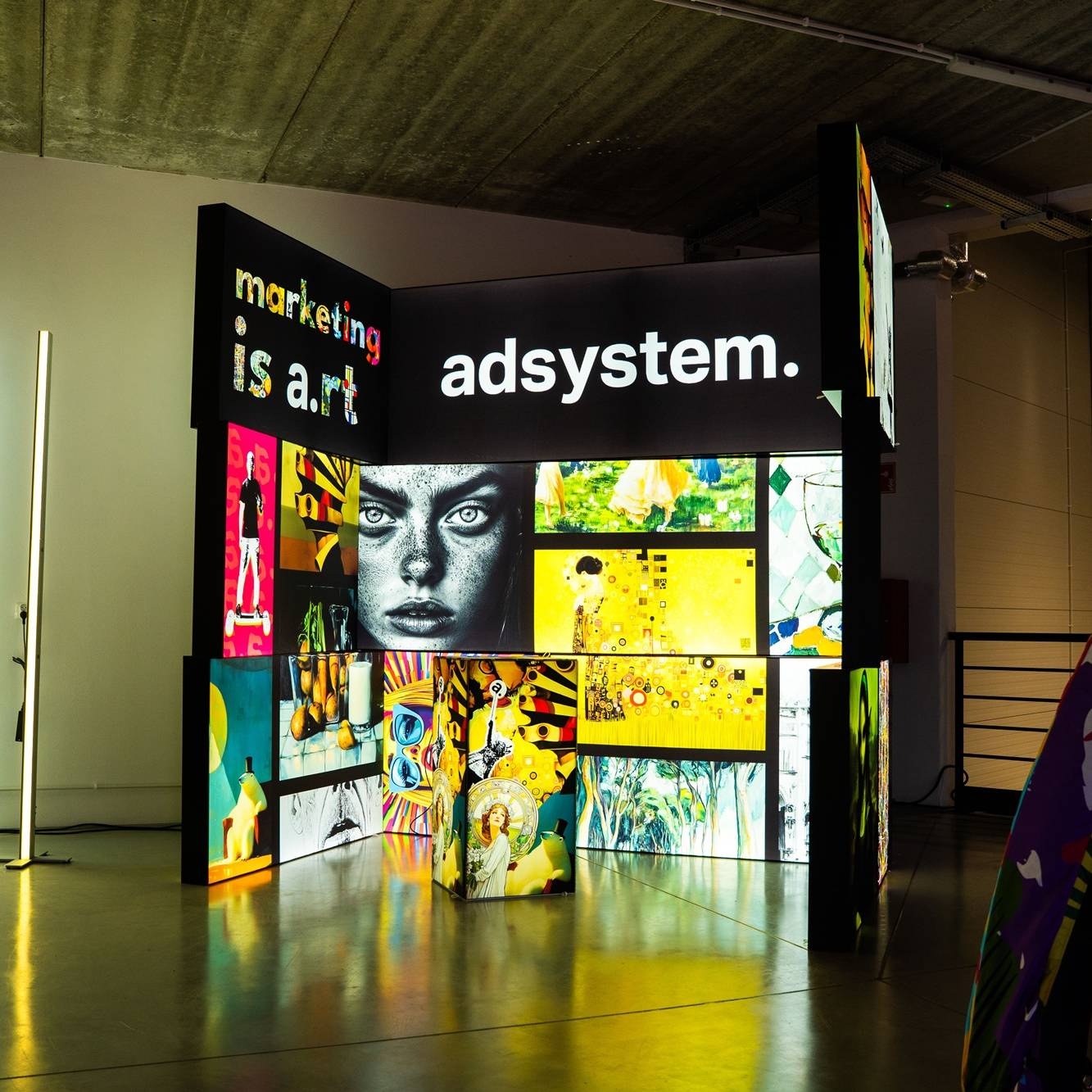
Lighting is no longer just an addition to the structure; it becomes a tool for spatial storytelling. Backlit graphics, lightboxes, and elements emitting light from larger surfaces guide the visitor’s gaze, organize messages, and help build a sense of depth. Instead of one dominant accent, a cohesive light story appears that begins "working" for the audience's attention even before they get closer – even in challenging lighting conditions in the exhibition hall.
Modularity as a standard of adaptation
Traditional, individual booths designed once for an event and often difficult to reassemble are being replaced by modular systems that can be reconfigured depending on the needs. This trend stems from several needs of modern exhibitors: the desire to use space economically, logistical constraints, and the growing number of events each year.
Modular systems allow exhibitors to create different layouts based on the same structure – from small 3×3 m booths to linear solutions and larger spaces with central highlights or invitations for interaction. As a result, one investment can serve multiple events of varying scale, which means lower costs in the long run and greater flexibility in responding to diverse industry needs.
- Custom trade fair standsTrade show booth with unlimited customizationmFrame, LMD, adTribune ExpoPLN 0.00
- Custom trade fair standsTrade show booth with designated zonesBooth mFramePLN 0.00
- Custom trade fair standsStoisko targowe w nowoczesnym wydaniumFrame, Lumina, LMSM, adVideo WallPLN 0.00
- Custom trade fair standsReady-to-use Multiframe display stand - MT1 (with accessories)Multiframe system stand MT1PLN 33,896.00
Space design – storytelling and participant experience
In recent years, trade show booths were often just a collection of elements – a counter, a backdrop, a tent, and tables. Today, however, this space needs to tell a story. Booth architecture is increasingly focused on flow and naturally guiding visitors, much like a well-designed UX in a digital environment.
Spatial layouts that include entry zones, conversation areas, presentations, and relaxation zones influence how long a guest stays at the booth, how engaged they become in conversations, and what emotions they take away when they leave the hall. Designing space is starting to resemble the process of creating an experience (experience design) rather than just an aesthetic composition of elements.
Integration of trends: light, modules, and experience in practice
The key to a successful trade show presentation in 2026 is integrating all three trends into a cohesive whole. Thoughtful lighting highlights the points of contact between individual modules, modules adapt to the dimensions of the space, and the layout guides visitors through different stages of the brand story – from first contact, through product presentations, to conversation and interaction areas.
An additional element that significantly enhances the immersiveness of the experience is interactive touchscreens, such as the adVideo Wall, which enable visitors to engage with the booth’s content in a personalized and engaging way. Video, animations, and dynamic content on large screens become tools that not only grab attention but also allow for deeper integration of visitors with the brand. With this technology, participants can explore content interactively, which helps them remember the offer and engage in conversations with company representatives.
In practice, this could look like this: entering the booth is highlighted by a backlit logo and LED lightbox, signaling the brand’s presence; modular walls frame thematic areas that visitors explore like chapters of a story; and the central conversation area is equipped with subtle lighting and natural materials that create an atmosphere of comfort and trust. Touchscreens add a layer of interaction – they can display product information, allow virtual browsing of catalogs, or offer communication customization options tailored to the visitor’s needs.
What do these trends mean for exhibitors?
Instead of treating the trade show booth as a collection of individual elements, the approach in 2026 requires seeing it as a continuous narrative and experience. Lighting gives a signal that attracts attention. Modular systems offer flexibility that allows exhibitors to operate at multiple events without excessive costs. The space layout focuses on emotions and the visitor’s process, which leads to longer interactions and greater audience engagement.
This is not just a matter of aesthetics – it’s a strategy that builds relationships, increases brand recall, and influences how trade show participants perceive the exhibitor’s offer. And in a world where attention is gained in fractions of a second, it is these types of experiences that determine success both at the trade show booth and beyond.

Build a stand that will attract visitors!
See how your brand can outpace the competition at full speed.

- Marketing/advertisingCase studies
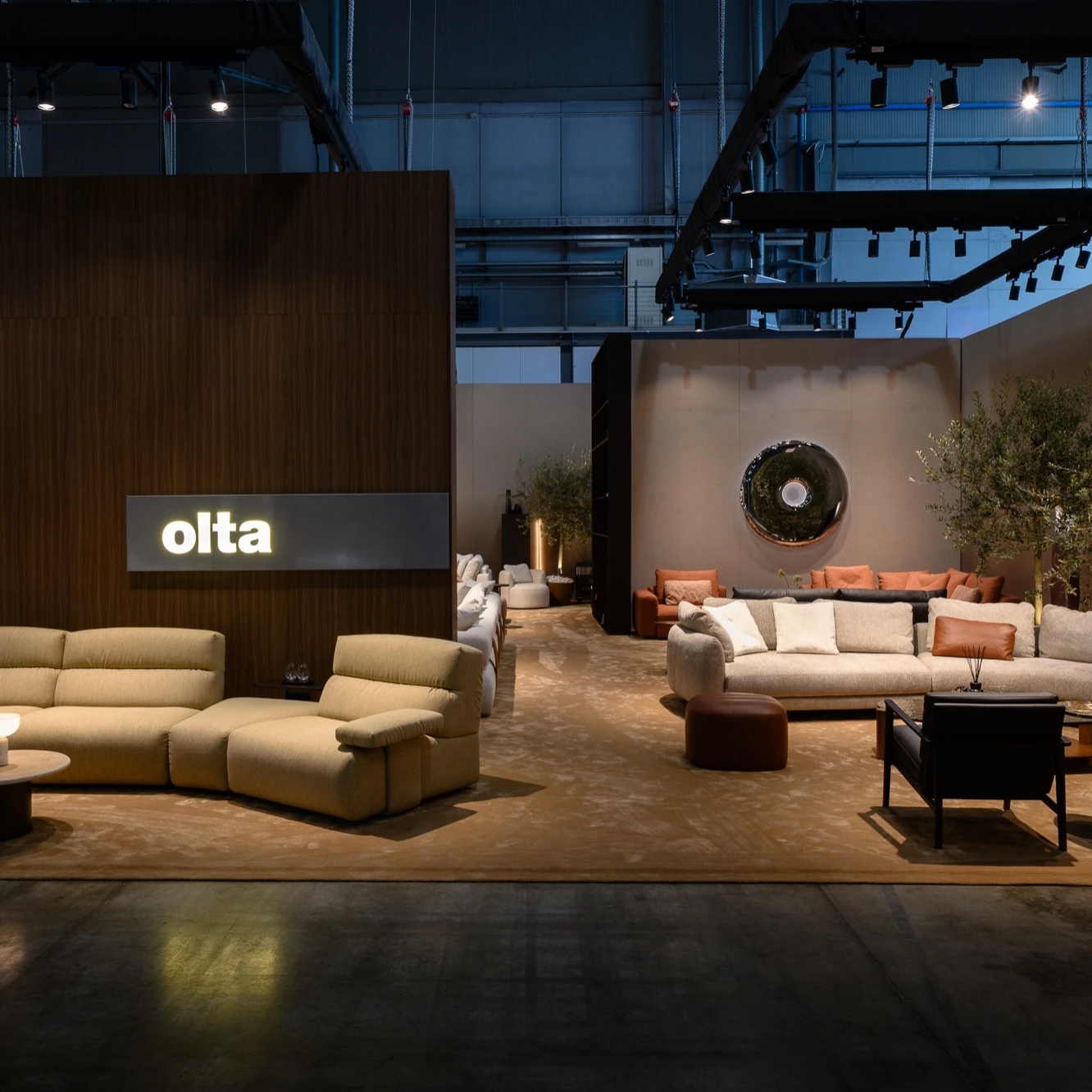 With adsystem to Milan – the story of the OLTA stand at Milan Design Week
What does it take to create an exhibition space that captures attention at Milan Design Week — and remains useful long after the event? That was the challenge we took on with OLTA for Milan Design Week 2026. We wanted to create a space that would showcase the brand at one of the design world’s biggest events while offering a flexible solution for future projects. From our first conversations and the choice of modular systems to the final setup in Milan, here’s a look behind the scenes of our collaboration and how we brought OLTA’s vision to life.
- Case studiesMarketing/advertising
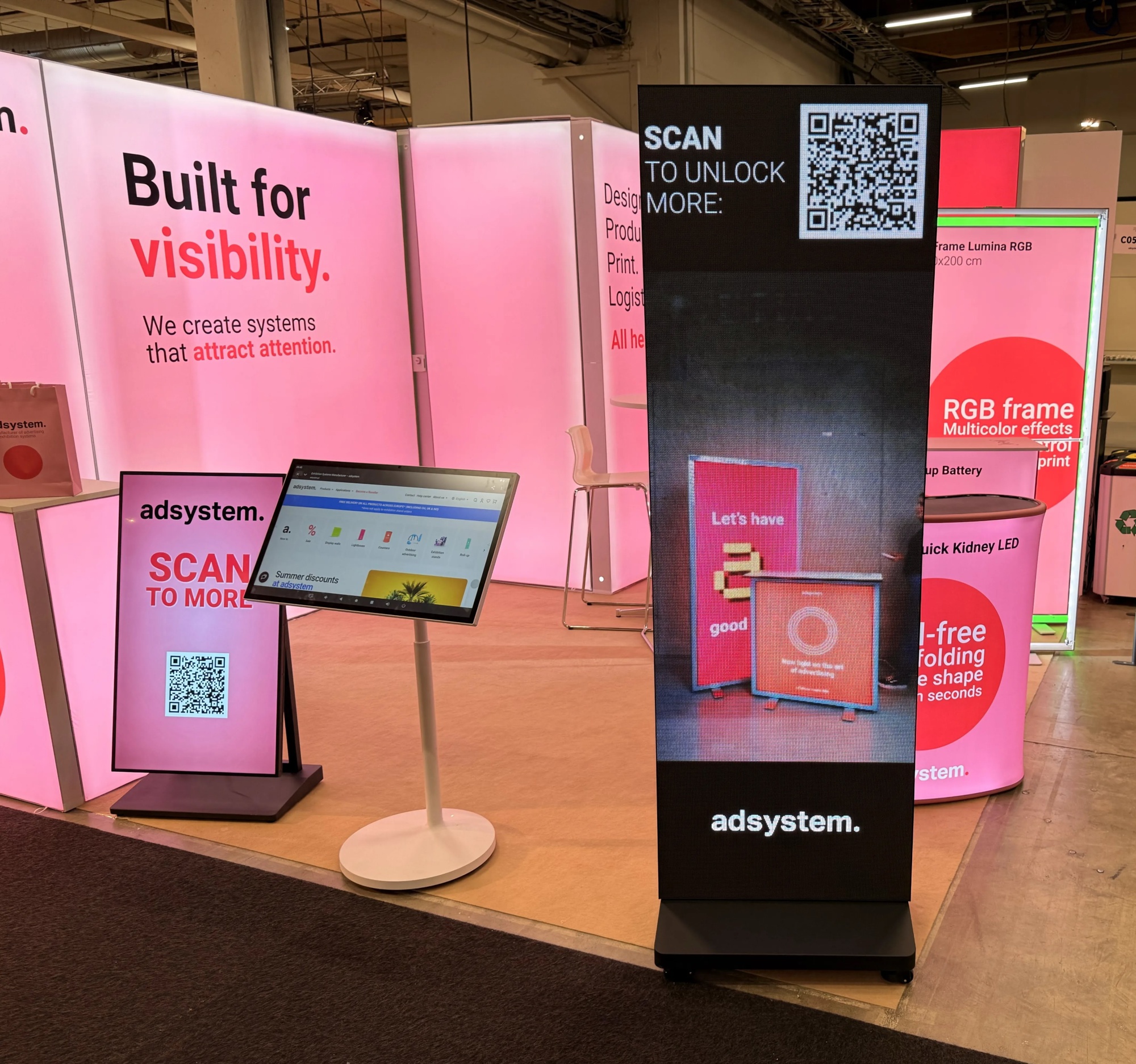 Small but Functional Booth – Case Study from the Nordic Profile Trade Fair in Sweden
Can a small booth attract attention while still being functional? Our participation in the Nordic Profile trade fair in Sweden proved that it can! Especially when the design is based on a well-thought-out layout and systems that make the team’s work easier right from the assembly stage.
- Marketing/advertisingCase studies
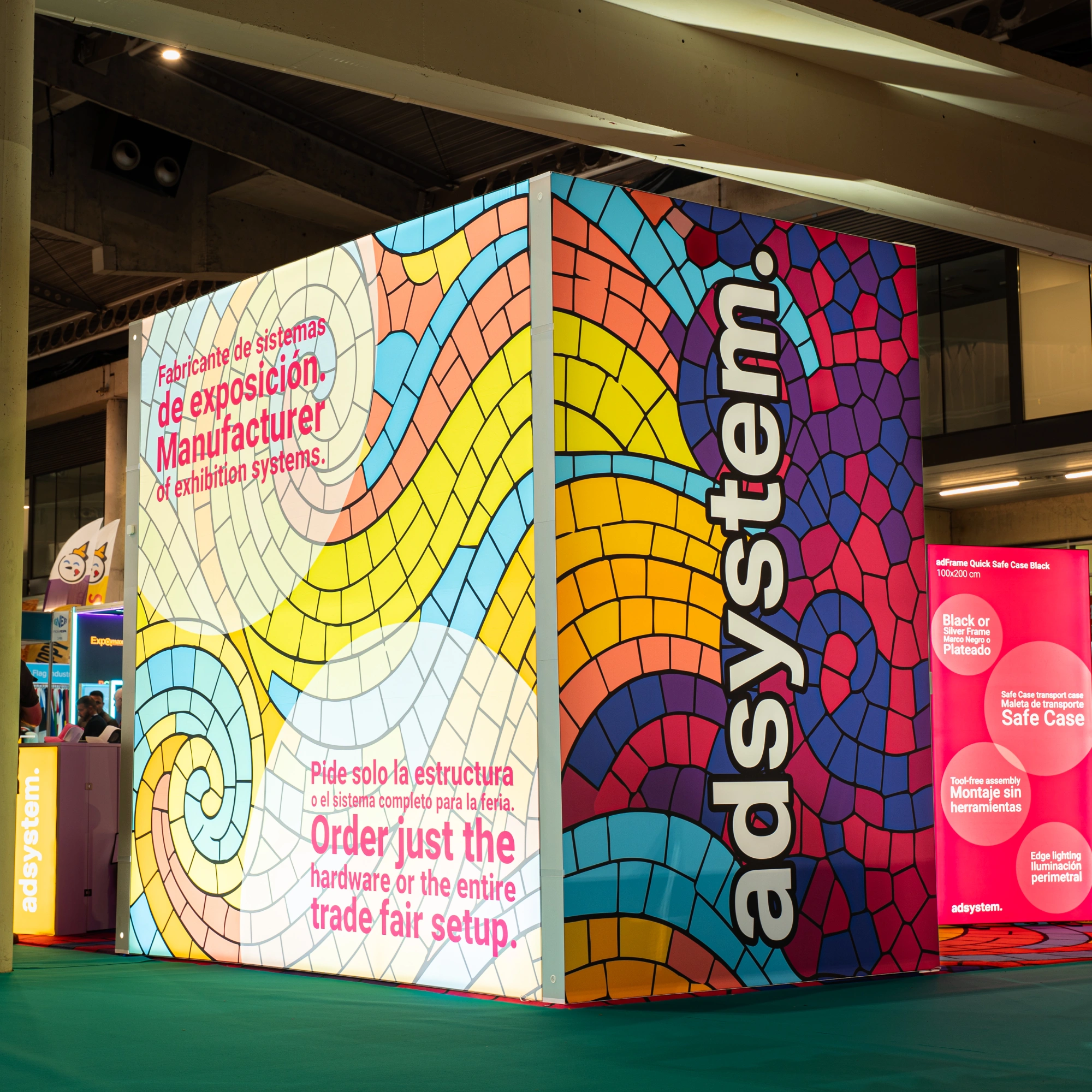 A stand that was hard to ignore – a case study after FESPA 2026
FESPA 2026 in Barcelona was, for us at adsystem, much more than just another trade fair appearance. As an official partner of the event, we could not only present our solutions, but also show how a well-thought-out and consistent spatial concept affects brand visibility, supports sales conversations and helps build relationships in a demanding international environment.
- Marketing/advertisingAdvertising walls
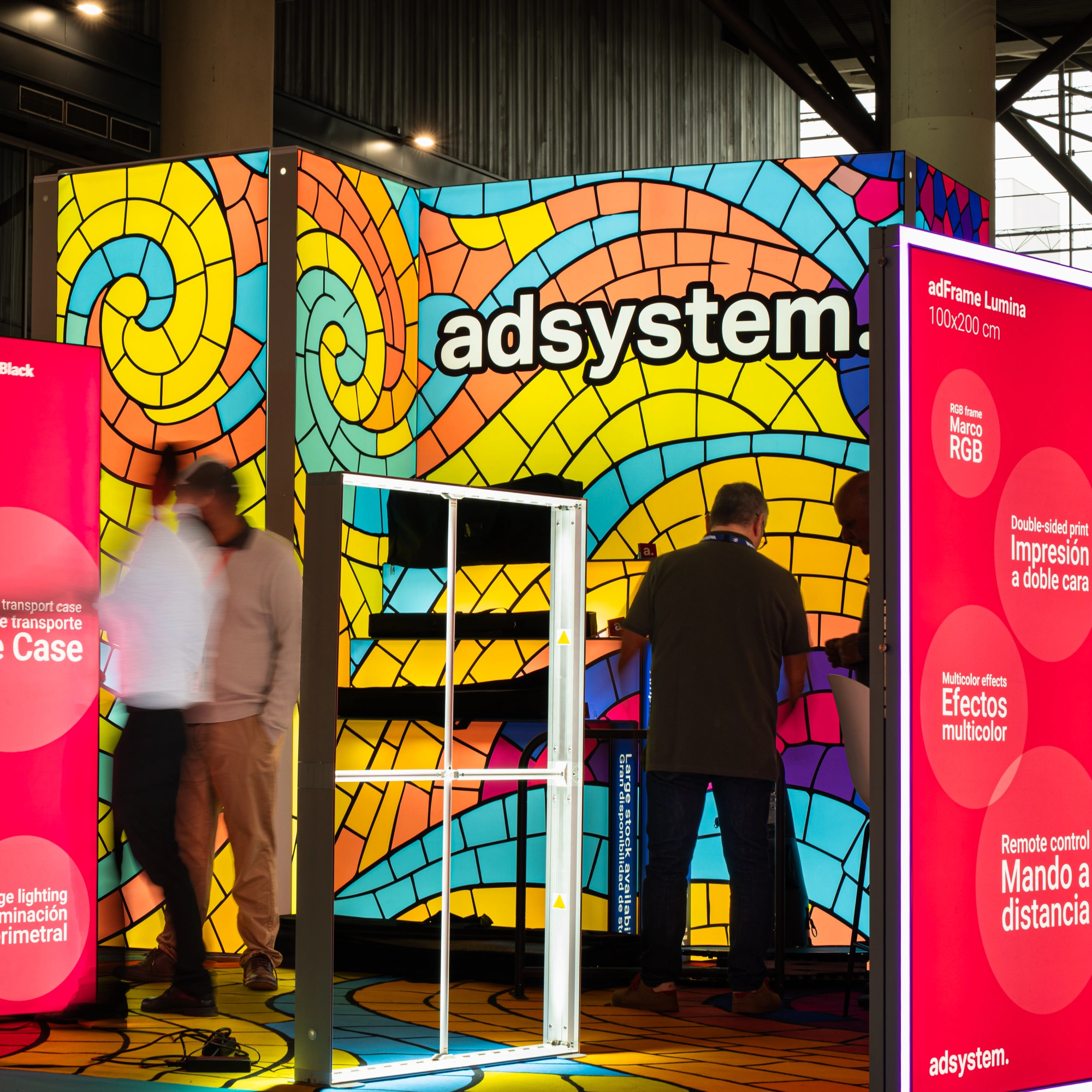 FESPA 2026 in Barcelona has begun! For us, it is a strategic point of the season
In the areas of sensory marketing, large-format advertising and exhibition systems, standing still means falling behind. Since yesterday, the eyes of the entire advertising industry have been focused on Barcelona, where FESPA Global Print Expo 2026 has begun. For us at adsystem, being present at these trade fairs is not only about business. Above all, it is a strategic foundation for building a leadership position and actively shaping market trends.
- Marketing/advertising
 Offline marketing is not dead – why does your brand need space in the real world?
Does offline advertising still make sense in the digital age? The data speaks for itself - as many as 69% admit that their choices are influenced by roll-ups, billboards and lightboxes. This is a powerful tool that still works effectively where digital advertising does not.